Effectiveness of the ‘Happy Hippo Show’ Awareness Program on Sexual Sensitivity Among Children Aged 6–14 Years in Ashram Schools:
A Pre-Test and Post-Test Study
Mita Gharte, Ajay Valke, Manisha Ahiwalay, Vaishali Zodgekar, Sharmila Tupe, Noozat Shaikh, Vidhya Kothari
Motiwala Homoeopathic Medical College & Hospital, Nashik, Maharashtra, India
Background: Child sexual abuse is a major public health concern in India, especially in tribal populations.
Rationale: There is lack of structured awareness interventions in tribal Ashram schools.
Objectives: To evaluate effectiveness of Happy Hippo program.
Methods: One-group pre-test post-test study among 688 children.
Results: Significant improvement observed (p < 0.001).
Conclusion: Program is highly effective and scalable.
Keywords:- Sexual sensitivity, happy hippo show, Motiwala homoeopathic medical college
1. Introduction
Child sexual abuse remains a significant public health concern in India, with studies indicating that nearly 53% of children experience some form of sexual abuse during childhood. Awareness regarding preventive measures such as “good touch and bad touch” remains critically low. A study by Batham et al. reported that only 6% of children had adequate knowledge, while 58% had no knowledge at all. Similarly, Tyagi et al. found that 39% of school children were completely unaware of the concept. Educational interventions, particularly interactive and audiovisual methods, have shown significant improvement in awareness levels, as demonstrated in pre-test–post-test studies. However, media alone has been found insufficient, with up to 90% of children unaware of child protection mechanisms. These findings highlight the urgent need for structured, culturally sensitive awareness programs, especially in vulnerable populations such as tribal Ashram school children.
Ashram school children often belong to socially and economically disadvantaged backgrounds, which increases their vulnerability. Awareness programs using child-friendly methods such as storytelling, puppetry, and dramatization can effectively improve understanding of sexual sensitivity.
The “Happy Hippo” show is an interactive educational tool designed to teach children about safe and unsafe touch in an age-appropriate manner. This study aims to assess the effectiveness of the Happy Hippo awareness program in improving knowledge and awareness among Ashram school children during the Surgana NSS camp.
2. Need for the Study
• Child sexual abuse is a significant but underreported problem in India.
• Many children cannot differentiate between safe and unsafe touch.
• Awareness and education are key preventive strategies.
• NSS camps provide an opportunity to reach a large number of children.
• Limited research exists on creative awareness programs like the Happy Hippo show.
3. Aim of the Study
To assess the effectiveness of the Happy Hippo awareness program on sexual sensitivity among Ashram school children aged 6–14 years at Surgana NSS camp.
4. Objectives
1. To assess the level of awareness using a pre-test questionnaire.
2. To conduct an awareness program using the Happy Hippo show.
3. To assess the level of awareness using a post-test questionnaire.
4. To compare pre-test and post-test scores.
5. To determine the effectiveness of the awareness program.
5. Research Hypothesis
H₁: There is a significant difference between pre-test and post-test awareness scores.
H₀: There is no significant difference between pre-test and post-test awareness scores.
6. Operational Definitions
• Sexual Sensitivity: Awareness and understanding of safe and unsafe touch, response ability, and reporting knowledge.
• Happy Hippo Show: A child-friendly educational program using storytelling and interaction.
• Pre-test: Assessment before the awareness program.
• Post-test: Assessment after the awareness program.
7. Research Methodology
7.1 Research Approach: Quantitative approach
7.2 Research Design: One-group pre-test and post-test design
7.3 Study Setting: Surgana NSS Camp, Nashik district, Maharashtra
7.4 Population: Ashram school children aged 6–14 years
7.5 Sample Size: To be determined based on availability
7.6 Sampling Technique: Convenience sampling
8. Inclusion and Exclusion Criteria
Inclusion:
• Children aged 6–14 years
• Present during the NSS camp
Exclusion:
• Unable to understand the questionnaire
9. Tool for Data Collection
A structured questionnaire with 5 questions related to safe and unsafe touch.
Scoring:
Yes = 1, No/Not sure = 0
Total score range: 0–5
10. Intervention Plan
Steps:
1. Permission from authorities
2. Pre-test administration
3. Happy Hippo awareness show (30–45 minutes)
4. Post-test administration
11. Ethical Considerations
• Institutional approval
• Informed consent from school authorities
• Confidentiality
• Child-friendly language and safety
12.1Statistical analysis
Paired t test was used to test the hypothesis
Pre-test Mean: 0.34 ± 0.91
Post-test Mean: 4.48 ± 0.82
t = 98.72, p < 0.001
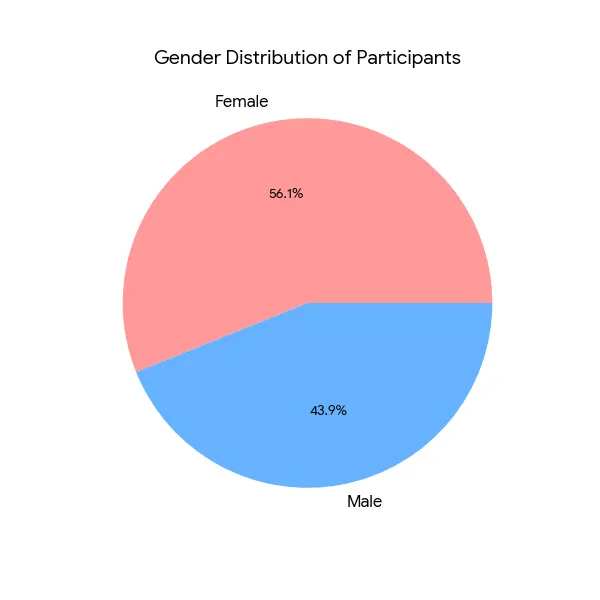
12.2. Demographic Analysis
The study included a diverse group of students from primary and secondary levels.
Male: 302 (43.9 %)
12.3 Comparative Statistical Analysis (Pre vs. Post)
The following table details the percentage of students who demonstrated correct awareness before and after the intervention.
|
Sr. No. |
Awareness Parameter |
Pre-Test (%) |
Post-Test (%) |
Improvement |
|---|---|---|---|---|
|
1 |
Recognition of Safe vs. Unsafe Touch |
7.99 % |
93.02 % |
+85.03 % |
|
2 |
Identifying Bad Touch (Private Parts) |
10.76 % |
92.59 % |
+81.83 % |
|
3 |
Knowing to say "NO" and Move Away |
8.14 % |
87.21 % |
+79.07 % |
|
4 |
Identification of a Trusted Adult |
29.94 % |
92.88 % |
+62.94 % |
|
5 |
Understanding the "Secret" Rule |
10.90 % |
82.70 % |
+71.80 % |
12.4. Data Visualization & Inference
Chart 1: Awareness Growth (Pre-test vs. Post-test)
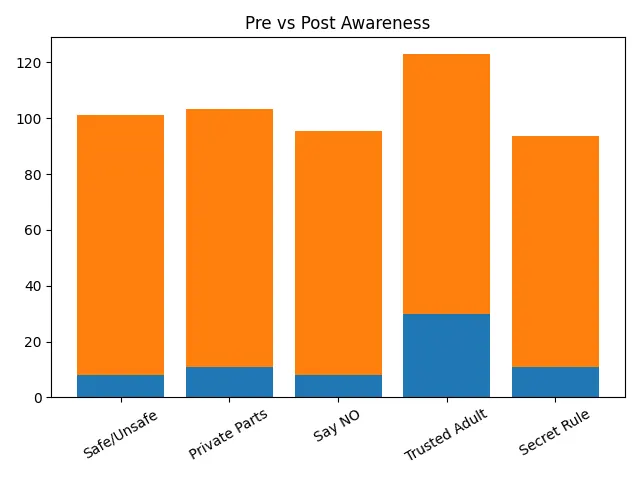
Inference: The data indicates a 81.3% average increase in awareness across all categories. The most significant jump was in the ability to distinguish between "Happy/Safe" touches and "Scared/Uncomfortable" touches.
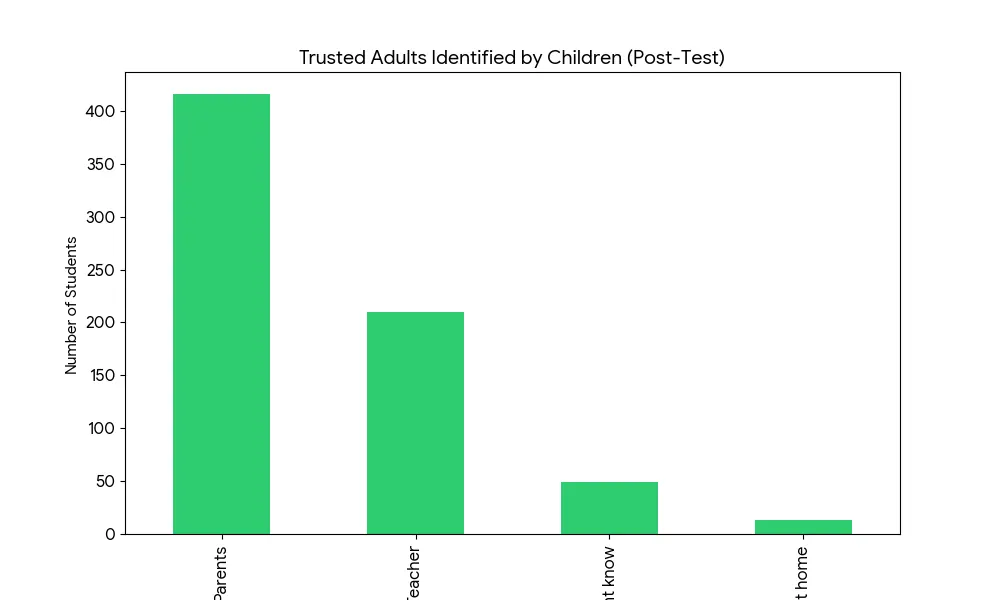
Chart 2: Reporting Hierarchy (Post-Test)
When asked whom they would tell if they experienced a bad touch, the distribution in the Post-test was:
Inference: The intervention successfully established Parents and Teachers as the primary safety net for these children.
The pre-test data reveals a critical "Silence Gap." With only 8% of children understanding safe/unsafe touch at the baseline, it is evident that sexual sensitivity is a neglected topic in the traditional school environment. This lack of vocabulary makes it nearly impossible for a child to report abuse.
The intervention was transformative. The 85% growth in touch recognition indicates that the educational material was culturally and age-appropriately adapted. The highest success was seen in teaching children that they have the right to define their personal boundaries.
Post-intervention, children shifted from "Don't know" to identifying specific safe figures.
This suggests that the program successfully reinforced the child's social support system.
Key Research Findings
The Happy Hippo program is effective and recommended for large-scale implementation.
No control group, short-term evaluation, self-reported data.
5. Article Are parents aware of child’s sexual prevention education, Yamini Betham et all. International journal of contemporary paediatrics vol 6, nov-dec 2019